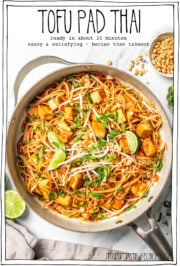
Tofu Pad Thai (Better Than Takeout!)
This tofu pad thai is a vegan take on the classic Thai noodle dish, made with tender rice noodles, golden tofu, crunchy veggies, and a tangy-sweet tamarind sauce. The sauce is perfectly balanced: not too sweet, not too salty, and packed with that signature pad thai flavor. It’s fresh, satisfying, and way easier to make at home than you might think.
Servings: 4
Ingredients
Pad Thai Sauce
- 2 - 3 tablespoons tamarind paste (not concentrate, see notes)
- 2 ½ tablespoons brown sugar
- 2 ½ tablespoons soy sauce (gluten-free if preferred)
- 1 tablespoon lime juice
- 1 teaspoon sriracha or chili garlic sauce (optional)
- 1 tablespoon natural peanut butter (optional, not traditional but adds a nice richness)
Tofu & Noodles
- 8 oz flat rice noodles
- 1 block (14 oz/ 400 g) extra-firm tofu drained and cubed
- 2 tablespoons light oil (such as canola or vegetable), divided
- 1 large carrot peeled and shredded
- 4 green onions sliced (white/light green and dark green parts separated)
- 4 cloves garlic minced or pressed
- 1 ½ cups bean sprouts
For Serving
- ¼ cup roasted peanuts roughly chopped
- ¼ cup fresh cilantro roughly chopped
- 1 lime cut into wedges
Instructions
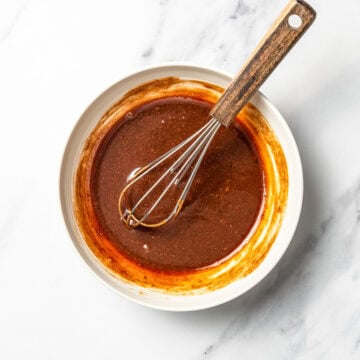
- Make the sauce: In a small bowl, whisk together the 2 tablespoons tamarind paste, brown sugar, soy sauce, lime juice, sriracha (if using), and peanut butter (if using). Taste the sauce and add the remaining 1 tablespoon tamarind paste, if desired. The sauce should taste pleasantly tangy, but not overwhelmingly sour. Set aside.
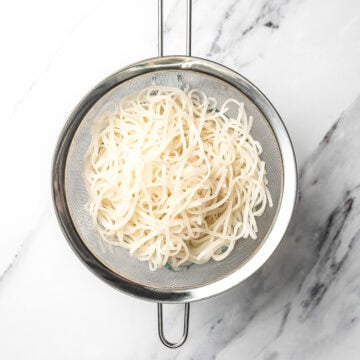
- Cook the noodles: Cook the rice noodles according to package directions until just tender. It is best to slightly undercook them, as they will finish cooking in the pan. Drain and rinse briefly with cold water to stop the cooking, then set aside.
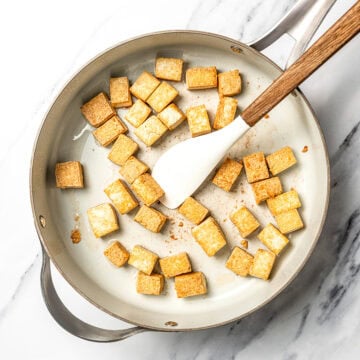
- Cook the tofu: Heat 1 tablespoon of oil in a large skillet or wok over medium-high heat. Add the tofu and cook for 6–8 minutes, turning occasionally, until golden and lightly crisp. Transfer to a plate and set aside.
- Cook the vegetables: Add the remaining 1 tablespoon of oil to the skillet. Add the shredded carrot, the white and light green parts of the green onions, and the garlic. Cook for 1–2 minutes, stirring often, until fragrant and the carrots begin to soften.
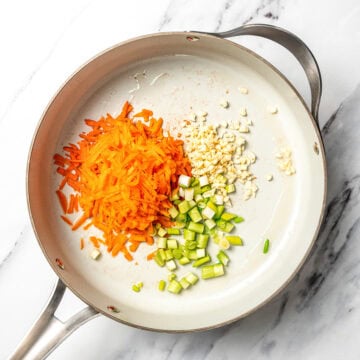
- Add the noodles and sauce: Add the cooked noodles to the skillet and pour over the sauce. Toss gently for 1–2 minutes, until the noodles are evenly coated and the sauce thickens slightly. If the noodles look dry, add 1–2 tablespoons of water to loosen.
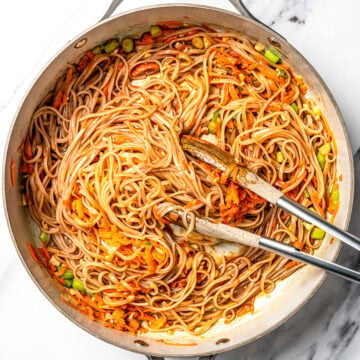
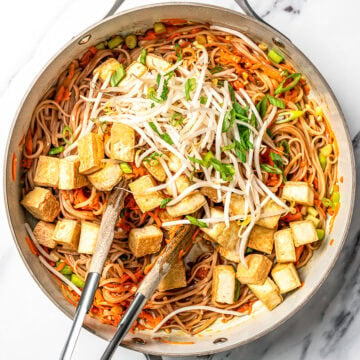
- Finish the pad thai: Add the cooked tofu, bean sprouts, and dark green parts of the green onions. Toss for about 1 minute, just until everything is heated through. Do not overcook the bean sprouts, they should stay a little crisp.
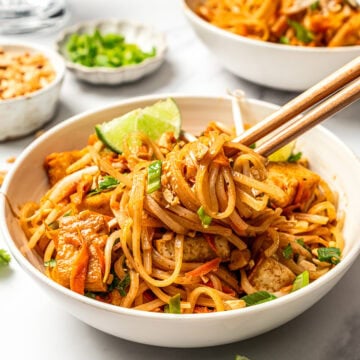
- Serve: Divide into bowls and top with chopped peanuts, cilantro, and a squeeze of fresh lime juice.
Notes
Tamarind note:
Tamarind is key to classic pad thai flavor, so I don't recommend skipping it.- Use the right tamarind. Look for pure tamarind paste (or homemade paste made from a tamarind block). The ingredient list should contain just tamarind, or tamarind and water. Avoid prepared tamarind sauces with added sugar or seasonings, as they will throw off the flavor balance.
- Different brands vary. Tamarind can vary quite a bit in sourness between brands. Start with 2 tablespoons, then taste the sauce and add more tamarind if you'd like a tangier flavor.
- Using Indian tamarind concentrate? It is much more potent than regular tamarind paste, so a little goes a long way. Start with 1 teaspoon and adjust to taste.
- Using tamarind block or pulp? To make your own tamarind paste, combine 3 tablespoons (45 g) tamarind pulp with 4 tablespoons (60 mL) hot water. Let it soak for 5–10 minutes, then mash with a fork until softened. Strain through a fine-mesh sieve, pressing well to extract the thick liquid. Discard the fibers and seeds. You should end up with about 3 tablespoons of tamarind paste.
Oil-free option: For an oil-free version, bake or air fry the tofu instead of pan-frying it. Sauté the vegetables with a splash of water as needed. The texture will be a little different, but still delicious. Storage: Pad thai is best enjoyed fresh, but leftovers can be stored in an airtight container in the fridge for up to 3 days. I do not recommend freezing this recipe, as the noodles can become mushy once thawed. Reheating: Reheat gently in a skillet with a splash of water to loosen the noodles, or microwave in short bursts. Vegetable options: Feel free to swap in other quick-cooking vegetables you have on hand, such as thinly sliced bell pepper, shredded cabbage, snow peas, or mushrooms. Just keep the total amount about the same so the noodles stay saucy.
Nutrition
Serving: 1 serving (recipe makes 4 servings) | Calories: 364kcal | Carbohydrates: 29g | Protein: 21g | Fat: 22g | Saturated Fat: 3g | Polyunsaturated Fat: 6g | Monounsaturated Fat: 5g | Trans Fat: 0.04g | Sodium: 724mg | Potassium: 541mg | Fiber: 4g | Sugar: 17g | Vitamin A: 3218IU | Vitamin C: 17mg | Calcium: 135mg | Iron: 4mg
Find it online:
https://itdoesnttastelikechicken.com/tofu-pad-thai/Scan the QR code for updates, tips, and to ask me any questions!
